DESCRIPTION:
Temperature Indicator
•The temperature indicator is designed to monitor the operating temperatures of the units in which it is installed. The range of monitored temperatures is 90…220°C (specific values on request of the consumer)..
• The scope of the temperature indicator is quite wide - mechanical engineering, oil and chemical industries, etc. It is installed in various products: in electric motors and in hydraulic protection in order to insure the operating conditions of submersible electric motors.
• The temperature indicator can function in gaseous and liquid environments, in alloys in the corresponding temperature range. Low temperatures, pollution, vibrations, electromagnetic fields do not affect the performance.
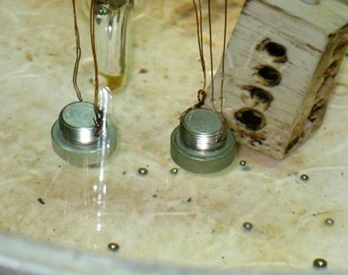
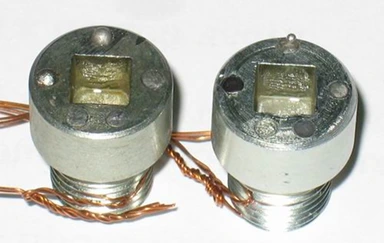
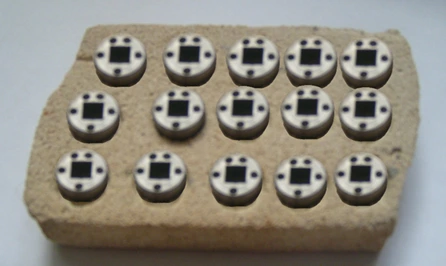
• The ED 139.154T temperature indicator is designed to determine the well temperature in the operating area of the pumping unit. It is developed on the basis of the ED 139.154 plug. Five holes are drilled on the head of the plug, into which alloys are poured, designed for a certain melting temperature from 100 to 200°C. The working fluid of the temperature indicators is eutectic alloys of low-melting elements, which invariably showed the same results regardless of the measurement methods. It has been experimentally proven that the temperature of inverted points - eutectics, peritectics and transition points is a constant value under constant external conditions and is itself a standard by which various temperatures are calibrated. The temperature that the temperature indicator experienced during operation is determined by the melting of the corresponding alloy, the melting of which will be evidenced by the deformation of the polished surface of the latter.
• The temperature indicator can operate in gaseous and liquid environments, in the corresponding temperature range. Low temperatures, pollution, vibrations, electromagnetic fields do not affect the performance of the temperature indicator. Small dimensions and various geometric designs allow using temperature indicators in mechanical engineering, oil production, chemical industry, etc. The principle of operation of the temperature indicator is the sequential melting of fuse links upon reaching specified temperatures



 Request via telegram